A City Under Siege: Rio de Janeiro in 1904
Imagine a vibrant capital city, once a jewel, now gripped by fear. Foreign investors shy away, trade routes reroute, and its very reputation is that of a cesspool of disease. This isn't a dystopian novel; it was the grim reality of Rio de Janeiro, Brazil, in 1904, a period that set the stage for one of the most significant popular uprisings in Brazilian history: the
Revolta Da Vacina, or Vaccine Revolt. The parallels to contemporary issues of public health, misinformation, and societal unrest are strikingly evident, making its story more relevant than ever.
At the turn of the 20th century, Rio de Janeiro, then the capital of Brazil, was a city struggling under the weight of its rapid growth and an outdated infrastructure. Its charming colonial facade masked severe public health deficiencies. Diseases like smallpox (varíola), yellow fever, and even the medieval specter of bubonic plague ran rampant, claiming countless lives and casting a dark shadow over daily existence. The city's inadequate sanitation, overcrowded tenements, and lack of basic hygiene facilities created fertile ground for these epidemics to flourish.
This dire situation had far-reaching consequences beyond the suffering of its inhabitants. Brazil's burgeoning economy relied heavily on international trade, with Rio's port being a crucial hub. However, the city's infamous health risks deterred international shipping. Diplomatic missions hesitated to establish presence, foreign merchants refused to dock their ships, and critical foreign investments dried up. The global perception of Rio was so poor that political cartoons of the era often depicted the city as a squalid hovel, plagued by disease and stalked by death, a stark contrast to its South American neighbors. A chilling anecdote highlights this crisis: the Italian destroyer *Lombardia*, after docking in Rio, lost 234 of its 337 crew members to local diseases, a devastating toll that underscored the severity of the situation and the critical need for change.
From Disease to Despair: The Catalyst for Change
The overwhelming health crisis and its devastating economic impact eventually compelled President Rodrigues Alves to act. Recognizing that the nation's progress was directly tied to the health of its capital, he initiated a sweeping program of urban and sanitary reforms. The stated goal was to modernize Rio, transforming it into a Paris of the tropics, making it safe for trade, investment, and its own citizens. However, the government's approach was often top-down, authoritarian, and failed to adequately consider the socio-economic realities of the majority of the population.
Key among these reforms was the appointment of Dr. Oswaldo Cruz, a renowned physician and sanitarian, to head the newly established Public Health Directorate. Cruz was tasked with the monumental challenge of eradicating the diseases plaguing Rio. His strategies were scientifically sound but socially disruptive. For yellow fever, he ordered brigades to enter homes to eliminate mosquito breeding grounds. For bubonic plague, he initiated a campaign to exterminate rats, even offering bounties for their collection. These measures, while effective, often involved forced entry into private homes, causing significant resentment among a populace already wary of government interference and lacking understanding of germ theory.
The true flashpoint, however, emerged with the campaign against smallpox. Despite being a highly contagious and often fatal disease, public understanding of vaccination was limited, and fear and suspicion were widespread. Dr. Cruz, empowered by new legislation, declared compulsory smallpox vaccination for all citizens. This mandate, enforced by sanitary brigades with the power to enter homes and administer the vaccine by force, became the ultimate trigger for widespread unrest. The government's actions, though driven by a desperate need for public health improvement, were perceived by many as an intolerable invasion of privacy and a violation of personal liberty, especially among the city's poorest and most vulnerable populations already grappling with displacement from urban renewal projects and rising living costs.
The Mandate that Ignited a Nation: Unpacking the Revolta Da Vacina
The compulsory vaccination decree, signed into law on October 31, 1904, proved to be the spark that ignited the **Revolta Da Vacina**. From November 10th to 16th, Rio de Janeiro erupted in a torrent of protests, violence, and civil disobedience, which contemporary newspapers dubbed "the most terrible of popular revolts of the Republic." This wasn't merely a reaction to a needle; it was a complex explosion of deep-seated grievances.
At its core, the revolt was fueled by several factors:
- Lack of Public Trust and Education: The government failed to adequately educate the public about the benefits and safety of vaccines. Scientific explanations were largely absent, replaced by mandates. This absence of dialogue fostered widespread mistrust.
- Misinformation and Rumors: Like wildfire, baseless rumors spread through the city. Whispers of the vaccine causing illness, infertility, or even turning people into animals gained traction. Given the invasive nature of the vaccination brigades, these fears were easily amplified. This played a significant role in escalating public anger and fear, a chilling echo of modern "fake news" campaigns.
- Socio-economic Discontent: The forced vaccinations were not isolated incidents. They came on the heels of other unpopular reforms. Urban renewal projects had demolished favelas and working-class neighborhoods, displacing thousands and creating homelessness. Rent increases and the arbitrary destruction of homes for "modernization" already had the populace simmering with resentment. The vaccine mandate became the straw that broke the camel's back, a symbol of government overreach and disregard for the poor.
- Authoritarian Enforcement: The manner of implementation was heavy-handed. Sanitary brigades, often backed by police, forced entry into homes, leading to confrontations and further eroding public goodwill. The perceived assault on personal autonomy and bodily integrity was a major rallying point for the rebels.
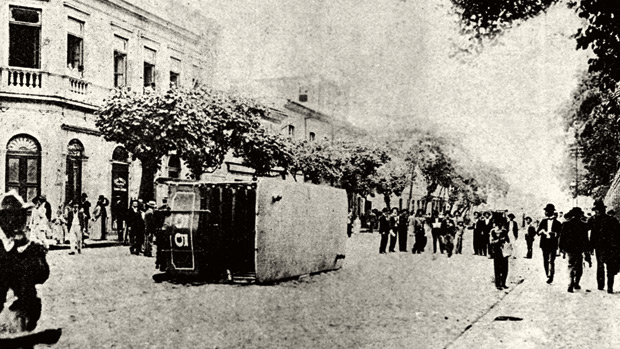
The revolt saw barricades erected in the streets, public transportation halted, government buildings attacked, and intense clashes with police and military forces. The city descended into chaos, forcing President Rodrigues Alves to suspend the mandatory vaccination law and declare a state of siege. Although the immediate unrest was quelled, resulting in dozens of deaths, hundreds of injuries, and thousands of arrests, the **Revolta Da Vacina** left an indelible mark on Brazilian history. It was a brutal lesson in the complexities of public health policy and the volatile nature of popular dissent. For a more detailed look at the economic ramifications of this period, see
The Rio Revolt: How Disease and Mandates Tanked an Economy.
Echoes Through Time: Modern Parallels and Lessons Learned
The story of the **Revolta Da Vacina** transcends its historical context, offering profound insights into ongoing debates surrounding public health, individual liberty, and the societal impact of misinformation. Its themes resonate powerfully with contemporary challenges, particularly in the wake of recent global pandemics.
Consider these striking parallels:
- Vaccine Hesitancy and Misinformation: Just as in 1904, modern societies grapple with widespread vaccine hesitancy, often fueled by unsubstantiated claims and conspiracy theories disseminated through digital platforms. The speed and reach of today's "fake news" amplify the challenges faced by public health officials.
- Government Overreach vs. Public Good: The tension between government mandates for public health (e.g., mask mandates, vaccine passports) and individual freedom remains a contentious issue globally. The Revolta Da Vacina highlights how aggressive enforcement, without adequate public engagement, can lead to distrust and rebellion.
- Socio-economic Disparities: Public health crises often disproportionately affect marginalized communities. The historical context of the revolt, with its roots in urban displacement and poverty, reminds us that health policies cannot be divorced from broader socio-economic conditions. When people feel economically vulnerable or politically voiceless, mandates can be perceived as yet another burden imposed by an uncaring elite.
Practical Tips for Navigating Public Health Challenges Today:
The legacy of the Revolta Da Vacina offers crucial lessons for policymakers, public health experts, and citizens alike:
- Prioritize Public Education and Transparency: Effective public health campaigns must be built on trust. This requires clear, consistent, and accessible communication about the science, benefits, and potential risks of interventions. Open dialogue, not just directives, is key.
- Combat Misinformation Proactively: Public health bodies need robust strategies to identify and counter false narratives swiftly and effectively. This includes partnering with trusted community leaders and utilizing diverse communication channels to reach all segments of the population.
- Address Underlying Socio-economic Factors: Health policies are more likely to succeed when they acknowledge and mitigate existing social and economic inequities. Ensuring equitable access to healthcare, stable housing, and economic opportunities can build community resilience and trust.
- Emphasize Community Engagement: Involving communities in the planning and implementation of public health initiatives fosters ownership and reduces resistance. Understanding local concerns and adapting strategies accordingly is vital.
- Balance Mandates with Empathy: While mandates may sometimes be necessary for collective health, their implementation must be sensitive to individual concerns and cultural contexts. A heavy-handed approach risks alienating the very populations they aim to protect.
Conclusion: Understanding the Legacy of the Revolta Da Vacina
The **Revolta Da Vacina** stands as a powerful testament to the intricate interplay of public health, politics, social inequality, and the human response to fear and misinformation. What began as a well-intentioned, albeit poorly executed, attempt to save a city from disease escalated into a violent confrontation, fueled by a complex mix of scientific ignorance, economic hardship, and a profound distrust of authority. Its echoes resonate across generations, reminding us that even the most vital public health interventions can fail without empathy, education, and genuine engagement with the people they serve. As we navigate our own era of health crises and information overload, the timeless tale of Rio de Janeiro in 1904 offers invaluable lessons on how to build a healthier, more trusting, and ultimately more resilient society.